
Related topics: Membrane Filtration, Dairy Processing Technology, Ultrafiltration, Microfiltration, Reverse Osmosis, Dairy Innovation, Precision Separation Technologies
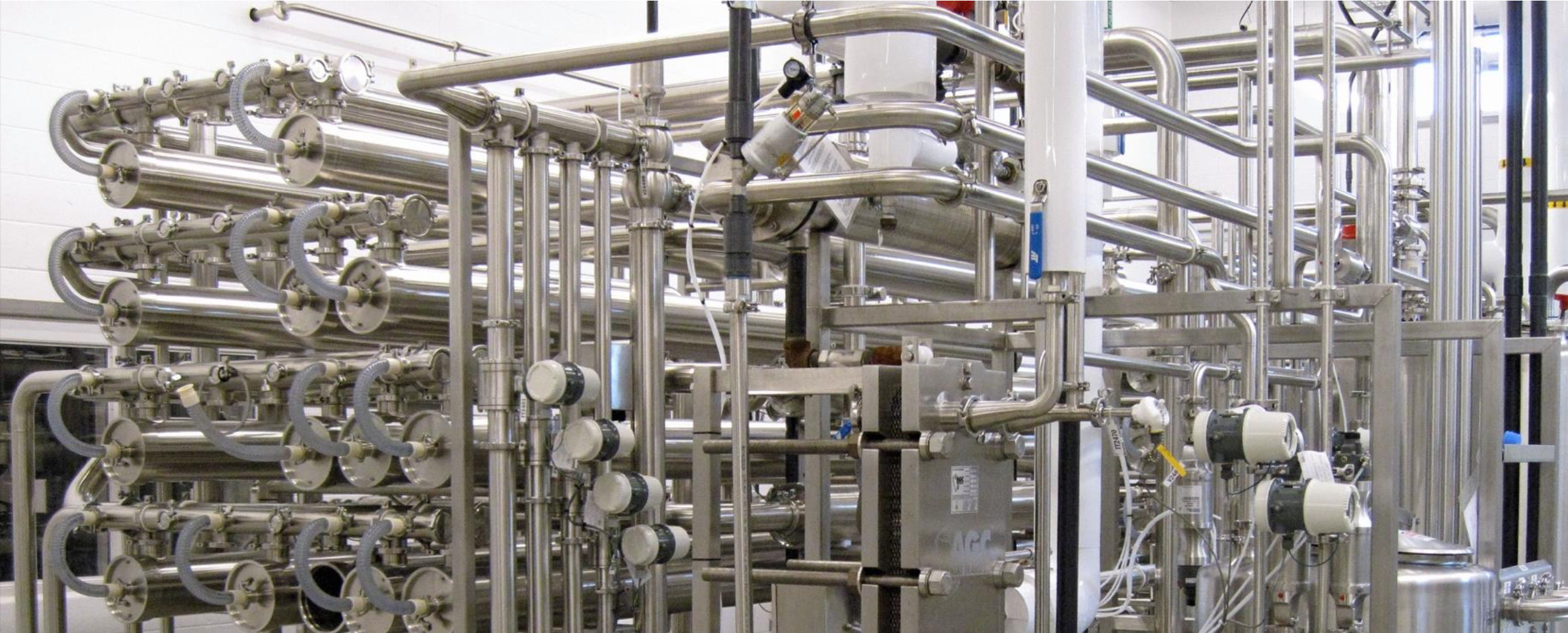
The global dairy industry is embracing a new technological paradigm - membrane filtration - that is redefining how milk and its components are separated, purified, and concentrated. This innovation is rapidly replacing conventional thermal and mechanical separation methods, enabling higher efficiency, superior product quality, and greater sustainability.
According to the Food and Agriculture Organization (FAO), membrane filtration now underpins most advanced dairy processing systems worldwide. The technology divides milk into streams, known as retentate and permeate, through semi-permeable membranes that allow selective passage of water, lactose, minerals, and proteins. By varying pore size and pressure, processors can apply different types of filtration (microfiltration, ultrafiltration, nanofiltration, and reverse osmosis) to achieve specific outcomes, such as bacterial removal, protein concentration, or water recovery.
Microfiltration, for instance, enables physical removal of bacteria and spores while preserving the milk’s natural flavour and nutrients. Ultrafiltration allows precise concentration of casein and whey proteins, which is critical for the production of high- protein dairy beverages, cheese, and infant formula. Nanofiltration and reverse osmosis, meanwhile, make it possible to reclaim water, reduce mineral content, and produce high- purity lactose and whey protein isolates.
These combined processes result in products that meet strict global standards for nutritional quality and safety, while significantly lowering energy use and waste output.
Another leading developers of membrane systems report that this technology can reduce production energy costs by up to 30 % compared with evaporation-based separation methods. It also minimises heat exposure, thereby retaining protein functionality and improving sensory quality in finished dairy products.
Furthermore, advances in ceramic and polymeric membranes have extended operational lifespans and reduced maintenance downtime, making the systems more financially viable even for mid-sized producers.
Globally, adoption of membrane-based processing is accelerating, particularly in high- growth dairy markets such as China, India, and the European Union, where demand for protein-enriched, low-lactose, and clean-label products is rising sharply. The International Dairy Federation (IDF) estimates that by 2030, over 60% of all milk protein isolates and concentrates will be produced using membrane-based fractionation rather than traditional methods.
The shift reflects a wider movement in food processing: from bulk production to precision separation. Membrane filtration not only enhances yield and quality but also supports environmental goals through water reuse, lower chemical input, and reduced carbon intensity. Many modern dairy complexes now integrate closed-loop water recovery systems, enabling near-zero discharge operations.
As global dairy markets evolve toward high-value, functional, and sustainable production, membrane filtration stands at the centre of that transformation. It is a cornerstone of next- generation dairy systems, delivering efficiency, purity, and resilience across the entire value chain.